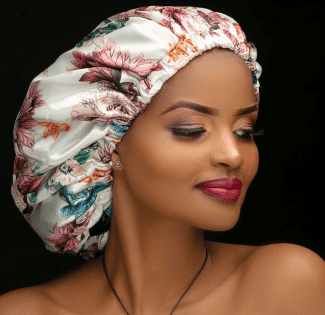

Detailed portraits alongside shinywild unveil stunning digital artistry techniques
- Detailed portraits alongside shinywild unveil stunning digital artistry techniques
- The Foundations of Digital Portraiture
- Mastering the Digital Brushstroke
- Building a Unique Artistic Style
- The Importance of Iteration and Feedback
- Lighting and Color in Digital Portraits
- Applying Different Lighting Techniques
- The Future of Digital Portraiture
Detailed portraits alongside shinywild unveil stunning digital artistry techniques
The digital art landscape is constantly evolving, with new techniques and artists emerging at a rapid pace. One name that has been gaining considerable attention within these circles is associated with captivating and meticulously crafted portraits: shinywild. This isn’t merely about artistic skill; it’s about a distinct stylistic approach, a blend of traditional artistic principles with the boundless possibilities offered by digital tools. The resulting artwork evokes a sense of wonder and often pushes the boundaries of what’s considered ‘realistic’ in portraiture, embracing elements of fantasy and surrealism.
The artistry associated with this creator isn't limited to a single platform or medium. From intricate illustrations created in Procreate to expansive digital paintings developed in Photoshop, the consistent thread throughout their work is an unwavering commitment to detail and a masterful understanding of light and shadow. This dedication results in portraits that seem to leap off the canvas, capturing not only the likeness of the subject but also their inner essence, or a carefully constructed persona. This approach has resonated deeply with art enthusiasts and fellow artists alike, solidifying their place as a significant voice in the contemporary digital art scene.
The Foundations of Digital Portraiture
Creating compelling digital portraits requires a strong understanding of fundamental artistic principles. This extends far beyond simply knowing how to use software. Artists must master anatomy, light theory, color composition, and perspective to create work that feels believable and engaging. Digital tools, while powerful, are ultimately just that—tools. They amplify existing skills rather than replace them. A strong grasp of traditional art techniques often translates seamlessly into the digital realm, providing a solid foundation for experimentation and innovation. Many artists begin with traditional media like pencils, paints, and charcoal to hone these core competencies before transitioning to a tablet and stylus. They find it allows better control and a more intuitive understanding of the process.
The beauty of digital portraiture also lies in its non-destructive nature. Unlike traditional painting, where mistakes can be costly, digital artists can easily undo actions, experiment with different approaches, and refine their work without fear of ruining the entire piece. This freedom encourages exploration and allows for a more iterative creative process. Layers, for instance, allow the artist to work on different elements of the portrait independently, making it easy to adjust colors, tones, and details without affecting other parts of the artwork. This flexibility is a major advantage for achieving complex and nuanced effects. Utilizing reference imagery is also critical, and artists spend hours studying facial structure, skin tones, and lighting conditions to ensure accuracy and realism.
Mastering the Digital Brushstroke
While the fundamental principles remain the same, translating traditional brushwork to a digital medium requires a unique set of skills. Digital brushes mimic the behavior of real-world tools, but they offer a wider range of customization options. Artists can adjust brush size, shape, texture, opacity, and flow to create a myriad of effects. Experimentation is key to finding the brushes and settings that best suit one’s style and the specific requirements of a portrait. Layer masks are also integral to blending and refining details, enabling subtle transitions and precise control over opacity. The texture and effects can mimic anything from smooth oil paint to rough charcoal, and can be constantly tweaked to achieve the desired artistic rendering.
Beyond brush selection, pressure sensitivity is another crucial element. A pressure-sensitive stylus allows artists to control the thickness and opacity of their brushstrokes based on how hard they press on the tablet. This provides a more natural and intuitive painting experience, mimicking the control a traditional artist has with a physical brush. Learning to effectively utilize pressure sensitivity takes practice, but it’s essential for creating dynamic and expressive portraits. Mastering the art of blending colors digitally is also crucial for achieving realistic skin tones and smooth transitions. Techniques like using the smudge tool, color picking, and layering are essential for creating believable and lifelike portraits.
| Software | Key Features |
|---|---|
| Adobe Photoshop | Industry standard, extensive features, layer-based editing. |
| Procreate | Intuitive interface, optimized for iPad, excellent brush engine. |
| Clip Studio Paint | Focus on illustration and comic creation, powerful brush customization. |
| Corel Painter | Simulates traditional media remarkably well, wide range of brushes. |
The careful selection of the right software can substantially influence the artistic workflow, especially when executing advanced techniques. Each program caters to different styles and preferences, so artists often experiment with multiple platforms to find the best fit for their creative vision.
Building a Unique Artistic Style
While technical skill is important, developing a unique artistic style is what truly sets an artist apart. This involves experimenting with different approaches, influences, and techniques to create a visual language that is distinctly one’s own. For those inspired by shinywild, this might involve exploring the artist’s use of vibrant colors, intricate details, and ethereal lighting. However, simply copying another artist’s style is not the goal; rather, it is about understanding the underlying principles and adapting them to one's own creative vision. It’s about taking inspiration and transforming it into something new and original. This often involves pushing boundaries, challenging conventions, and embracing experimentation.
A distinctive style is often born from a combination of influences—artists, movements, and even personal experiences. Drawing inspiration from a diverse range of sources can help artists develop a more nuanced and sophisticated aesthetic. Studying the works of classic portrait painters, for instance, can provide valuable insights into composition, lighting, and color theory. Exploring contemporary digital artists can expose one to new techniques and approaches. However, the key is to avoid simply mimicking these influences; instead, one must synthesize them into something unique and personal. The most successful artists are those who are able to blend their influences seamlessly, creating a style that is both recognizable and original.
The Importance of Iteration and Feedback
Developing an artistic style is an iterative process. Artists should create a high volume of work in order to explore different approaches and refine their skills. Each piece is an opportunity to learn and grow, and it's important to be open to experimentation and failure. Don't be afraid to try new techniques, push boundaries, and deviate from one’s comfort zone. The most significant breakthroughs often come from unexpected discoveries. Seeking feedback from other artists is also invaluable. Constructive criticism can provide fresh perspectives and help identify areas for improvement.
Joining online art communities and participating in critiques can be a great way to receive feedback and connect with fellow artists. It’s important to be receptive to criticism, even if it’s difficult to hear. Consider all feedback carefully, and use it to inform your creative process. Remember that artistic growth is a lifelong journey, and there's always room for improvement. Continuously challenge yourself, experiment with new techniques, and refine your style over time. The pursuit of artistic excellence is a never-ending process, and the rewards are well worth the effort.
- Experiment with different brush settings and textures.
- Study the works of artists you admire and analyze their techniques.
- Don't be afraid to try new color palettes and compositions.
- Seek feedback from other artists and be open to constructive criticism.
- Practice consistently and develop a workflow that suits your needs.
Consistency in practice, coupled with thoughtful experimentation, is the true path to developing a recognizable and respected artistic voice. A willingness to learn and adapt ensures continuous improvement.
Lighting and Color in Digital Portraits
Light and color are arguably the most important elements in creating a captivating digital portrait. They have the power to evoke emotion, create depth, and draw the viewer’s eye. Understanding how light interacts with different surfaces and how colors affect perception is crucial for creating realistic and visually appealing artwork. Artists often use reference images to study lighting conditions and color palettes, paying close attention to how light falls on the face and how different colors complement each other. The interplay of light and shadow is vital for defining form and creating a sense of volume.
Color theory plays a significant role in creating harmonious and impactful portraits. Understanding concepts like complementary colors, analogous colors, and color temperature can help artists create palettes that are both visually pleasing and emotionally resonant. For example, using warm colors like reds and oranges can create a sense of energy and excitement, while cool colors like blues and greens can evoke a feeling of calmness and serenity. Experimenting with different color combinations and palettes is essential for developing a unique artistic style. The subtle variations in skin tone are particularly important when achieving realism in portraiture.
Applying Different Lighting Techniques
There are numerous lighting techniques that artists can utilize to create different moods and effects in their portraits. Rim lighting, for instance, can create a dramatic effect by highlighting the edges of the subject, separating them from the background. Rembrandt lighting, characterized by a small triangle of light on the cheek opposite the light source, is a classic technique used to create depth and dimension. Split lighting, where one side of the face is fully illuminated and the other is in shadow, can create a sense of mystery and intrigue. Each lighting technique has its own unique effect, and artists can combine them to create complex and nuanced lighting schemes.
Mastering these lighting techniques requires careful observation and experimentation. Artists should study how light behaves in the real world and practice applying these techniques to their digital artwork. Using reference images and paying attention to the subtle nuances of light and shadow will help develop a keen eye for lighting and color, ultimately enhancing the realism and impact of their portraits. Remember that lighting dictates form, and skillful application is pivotal in a compelling portrait.
- Establish a clear light source.
- Study how light interacts with different surfaces.
- Experiment with different lighting techniques.
- Pay attention to the subtle nuances of light and shadow.
- Use reference images to guide your lighting choices.
A methodical approach to understanding and applying these steps builds a strong foundation for captivating portraiture, allowing an artist to convey mood and realism effectively.
The Future of Digital Portraiture
The field of digital portraiture is continually evolving, driven by advancements in technology and the creativity of artists. New software, tools, and techniques are constantly emerging, pushing the boundaries of what’s possible. The rise of artificial intelligence (AI) is also beginning to have an impact on the art world, with AI-powered tools being used to generate and enhance digital artwork. However, it’s important to remember that AI is merely a tool, and it’s the artist who ultimately controls the creative process. The artistry behind shinywild’s portraits demonstrates a level of control and vision that goes beyond the capabilities of current AI technology.
As technology continues to advance, we can expect to see even more innovative and groundbreaking techniques emerge in digital portraiture. Virtual reality (VR) and augmented reality (AR) technologies are opening up new possibilities for creating immersive and interactive art experiences. Artists are experimenting with these technologies to create portraits that viewers can step into and explore from different perspectives. The ability to create personalized and interactive portraits is likely to become increasingly popular in the future, blurring the lines between the physical and digital worlds. This future also holds the promise of even more accessible tools and resources, empowering a new generation of digital artists to explore their creative potential.