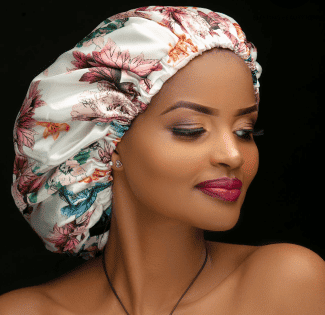

Subtle beauty unfolds with Lucky Wave in captivating designs and timeless artistry
- Subtle beauty unfolds with Lucky Wave in captivating designs and timeless artistry
- The Art of Fluid Motion and Delicate Curves
- The Dance of Light and Shadow
- The Harmony of Color and Texture
- Layering Textures for Depth
- The Significance of Form and Function
- Ergonomics and User Experience
- The Enduring Appeal of Timeless Designs
Subtle beauty unfolds with Lucky Wave in captivating designs and timeless artistry
The concept of finding beauty in the unexpected is a universal one, resonating across cultures and artistic disciplines. Often, the most captivating experiences are those that subtly reveal themselves, demanding a closer look to fully appreciate their depth. This principle is beautifully embodied in the world of design and artistry, particularly when considering creations born from innovative techniques and inspired visions. There's a growing appreciation for pieces that aren't overtly flashy but instead possess an understated elegance, a quiet confidence that draws the eye and holds it captive. This is where the essence of something truly special emerges – a harmonious blend of form and function, of tradition and modernity. And within this realm, the allure of «Lucky Wave» begins to unfold.
Contemporary aesthetics increasingly favor designs that prioritize authenticity and a connection to natural elements. This shift stems from a desire for grounding, a longing for objects that feel less manufactured and more intrinsically meaningful. Materials are chosen for their inherent qualities, their textures and tones, rather than simply for their visual impact. The emphasis is on creating pieces that age gracefully, developing a patina of character over time. It's about investing in items that tell a story, that become imbued with personal significance. The exploration of such ideas has led to renewed interest in craftsmanship, in techniques that celebrate the human touch and the imperfections that make each piece unique. It’s a journey towards a more thoughtful and sustainable approach to aesthetics, where quality and longevity take precedence over fleeting trends.
The Art of Fluid Motion and Delicate Curves
The inspiration for many modern designs often stems from the natural world, specifically the dynamic movements observed in elements like water and wind. The fluidity of waves, the graceful arc of a leaf, the swirling patterns of sand – these are all potent sources of creative energy. Artists and designers translate these organic forms into tangible objects, striving to capture the essence of their beauty and movement. This isn’t about mere imitation; it’s about interpreting the underlying principles of nature and applying them to new contexts. The goal is to create pieces that evoke a sense of harmony and balance, mirroring the inherent order found in the natural world. The power of these designs lies in their ability to transcend functionality, becoming almost meditative objects that invite contemplation and appreciation. A thoughtful piece captures more than just the eye – it resonates with the soul.
Consider the impact of curved lines in interior spaces. They soften harsh angles, creating a more welcoming and inviting atmosphere. A gently curved sofa, a rounded table, or an organically shaped lamp can transform a room, making it feel more comfortable and relaxing. These forms mimic the natural contours of the human body and the landscape, instinctively putting us at ease. This principle extends beyond furniture design; it’s evident in architecture, fashion, and even graphic design. The subtle incorporation of curves can elevate a design from ordinary to extraordinary, imbuing it with a sense of sophistication and grace. It’s about creating spaces and objects that flow with our movements and enhance our well-being.
The Dance of Light and Shadow
The interplay of light and shadow is crucial in highlighting the nuances of design. How light interacts with a surface can dramatically alter its appearance, revealing its texture, form, and depth. A well-designed piece will take advantage of this dynamic relationship, creating captivating visual effects. Consider the use of translucent materials, such as glass or resin, which allow light to penetrate and diffuse, creating a soft, ethereal glow. Alternatively, highly polished surfaces can reflect light, creating a sense of brilliance and drama. The strategic placement of lighting fixtures is also essential, ensuring that key features are illuminated and that shadows are used to create depth and dimension. The goal is to create a visually stimulating experience that engages the senses and draws the eye.
The choice of materials plays a significant role in how light is reflected and absorbed. Matte surfaces tend to absorb light, creating a softer, more subdued effect, while glossy surfaces reflect light, creating a brighter, more vibrant effect. A combination of both can be particularly effective, adding complexity and visual interest. Designers often experiment with different finishes and textures to achieve a desired aesthetic. Furthermore, the surrounding environment—the color of the walls, the type of flooring, and the presence of natural light—can all influence how a design is perceived. It’s about creating a holistic environment where light and shadow work in harmony to enhance the overall experience.
| Material | Light Reflection |
|---|---|
| Matte Finish | Low Reflection, Soft Glow |
| Glossy Finish | High Reflection, Bright Shine |
| Translucent Resin | Diffuse Light |
| Polished Metal | Strong Reflection |
The effect is something akin to seeing a painting brought to life, each changing angle subtly altering the perspective.
The Harmony of Color and Texture
Color and texture are fundamental elements of design, capable of evoking a wide range of emotions and associations. A carefully chosen color palette can set the tone for an entire space, creating a sense of calm, energy, or sophistication. Similarly, texture adds depth and dimension, inviting touch and enhancing the tactile experience. The art lies in finding the right balance between color and texture, creating a harmonious composition that is both visually appealing and emotionally resonant. It’s about understanding how different colors and textures interact with each other and how they influence our perception of space. A successful design will seamlessly integrate these elements, creating a cohesive and inviting atmosphere. This delicate interplay is crucial for achieving a truly captivating aesthetic.
Consider the impact of natural textures, such as wood, stone, and linen. These materials possess an inherent warmth and authenticity that can instantly elevate a design. Wood grain, stone veining, and linen weave all add visual interest and create a sense of grounding. When combined with carefully chosen colors, these textures can create a truly luxurious and inviting atmosphere. For example, pairing a warm wood tone with a soft, muted color can create a sense of rustic elegance, while combining stone with cool, contemporary colors can create a more modern and sophisticated look. The key is to create a balance that feels natural and harmonious.
Layering Textures for Depth
Layering different textures is a powerful technique for adding depth and dimension to a design. Combining smooth and rough, soft and hard, or matte and glossy surfaces can create a visually stimulating and tactile experience. For instance, pairing a velvet sofa with a rough-hewn wooden coffee table can create a compelling contrast. Similarly, layering different textiles, such as a plush rug, a knitted throw, and linen curtains, can add warmth and texture to a bedroom. The goal is to create a sense of richness and complexity, inviting the eye to explore and discover new details. This technique works well in both minimalist and maximalist designs, allowing for a nuanced expression of style.
Texture isn’t limited to the physical materials used; it can also be created through pattern and surface treatment. Consider the use of embossed wallpaper, woven fabrics, or carved wood panels. These techniques add visual interest and create a sense of depth, even in a monochromatic color scheme. Furthermore, the scale of the texture can also impact the overall effect. A large-scale pattern can create a bold and dramatic statement, while a small-scale pattern can add a subtle touch of refinement. The careful consideration of texture, whether through material choice, pattern, or surface treatment, is essential for creating a truly captivating design.
- Focus on tactile materials: wood, stone, linen, velvet.
- Experiment with contrasts: smooth vs. rough, soft vs. hard.
- Incorporate patterns: embossed wallpaper, woven fabrics.
- Consider the scale of the texture for impact.
These elements combined work together to create an atmosphere of understated beauty.
The Significance of Form and Function
A truly successful design is one that seamlessly integrates form and function. It's not enough for an object to simply look beautiful; it must also be practical and serve its intended purpose effectively. This is where the principles of ergonomics and usability come into play. Designers must consider how people will interact with the object and ensure that it is comfortable, intuitive, and efficient to use. The form should not only enhance the aesthetic appeal but also contribute to the functionality of the piece. It’s about creating objects that are not only visually pleasing but also genuinely improve the quality of life. This balance between aesthetics and utility is what separates truly great design from mere superficiality.
Often, the most innovative designs emerge from a deep understanding of the user's needs and a willingness to challenge conventional thinking. Designers must empathize with the people who will be using the object and anticipate their challenges and frustrations. This requires careful research, observation, and testing. The goal is to create solutions that are not only elegant but also solve real-world problems. A thoughtfully designed object can streamline daily tasks, enhance comfort, and even promote well-being. It’s about creating objects that are not just things we own but tools that empower us.
Ergonomics and User Experience
Ergonomics is the science of designing objects and systems to fit the people who use them. It involves considering factors such as body measurements, posture, and movement to ensure that the object is comfortable, safe, and efficient to use. In the context of furniture design, ergonomics is crucial for creating chairs, tables, and other pieces that support the body and promote good posture. Similarly, in the design of tools and appliances, ergonomics is essential for preventing strain and injury. A well-designed object will anticipate the user’s movements and provide the necessary support and comfort. The ultimate aim is to create an effortless and enjoyable user experience.
Beyond physical comfort, user experience also encompasses the emotional and psychological aspects of interacting with an object. A well-designed object should be intuitive and easy to use, requiring minimal effort or thought. It should also evoke positive emotions, such as satisfaction, delight, and a sense of accomplishment. This is where the principles of aesthetics come into play. A visually appealing and harmonious design can enhance the user experience, making it more enjoyable and rewarding. The goal is to create objects that not only function well but also feel good to use. It’s about creating a connection between the user and the object, fostering a sense of ownership and appreciation.
- Conduct thorough user research.
- Prioritize comfort and safety.
- Design for intuitive use.
- Focus on emotional resonance.
A perfect balance is often achieved when one isn't obvious without the other, like a supporting element of «Lucky Wave».
The Enduring Appeal of Timeless Designs
In a world saturated with trends, there is a growing appreciation for designs that transcend fleeting fashions. These timeless pieces possess an inherent quality that allows them to remain relevant and beautiful for generations. They are often characterized by simplicity, elegance, and a focus on quality craftsmanship. They aren't necessarily expensive or extravagant; rather, they are thoughtfully designed and meticulously crafted, using materials that are built to last. These designs aren’t about making a statement; they’re about creating pieces that seamlessly integrate into our lives and enhance our surroundings. The appeal of timeless design lies in its ability to provide a sense of stability and continuity in an ever-changing world.
The principles of classic design – proportion, balance, and harmony – are often at the heart of these enduring creations. They are based on fundamental aesthetic principles that have been appreciated for centuries. This doesn't mean that these designs are static or unchanging; rather, they are adaptable and versatile, capable of being reinterpreted and reimagined in new contexts. A timeless piece can be easily integrated into a variety of styles, from traditional to contemporary, without losing its inherent beauty. It’s about creating objects that are not defined by a specific era but instead stand the test of time.
Looking ahead, there is a fascinating trend emerging, which prioritizes modularity and adaptability in design. Pieces are designed to be easily reconfigured or repurposed, allowing them to evolve with changing needs and lifestyles. This approach reduces waste and promotes sustainability, aligning with the growing desire for more conscious consumption. The future of design isn't just about creating beautiful objects; it’s about creating objects that are versatile, durable, and environmentally responsible. It is a shift toward appreciating the inherent value of well-crafted items, fostering a deeper connection between people and the things they own. And within this changing landscape, the core principles of understated elegance and enduring functionality continue to resonate, mirroring the essence of something like «Lucky Wave».